
Chronic Kidney Disease: Why Cases Are Rising Today & How Ayurveda Offers Natural Healing
Chronic Kidney Disease (CKD) has become a major global health concern, affecting millions of people each year. The alarming rise of CKD is not limited to older adults anymore—it is increasingly seen in younger populations due to lifestyle changes, dietary habits, and environmental factors. While modern medicine plays a crucial role in diagnosing and managing CKD, Ayurveda offers a holistic and natural approach to support kidney health, reduce symptoms, and slow disease progression.
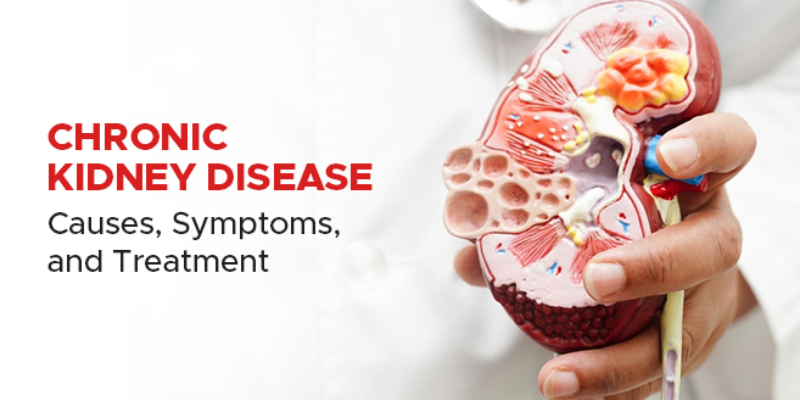
What is Chronic Kidney Disease?
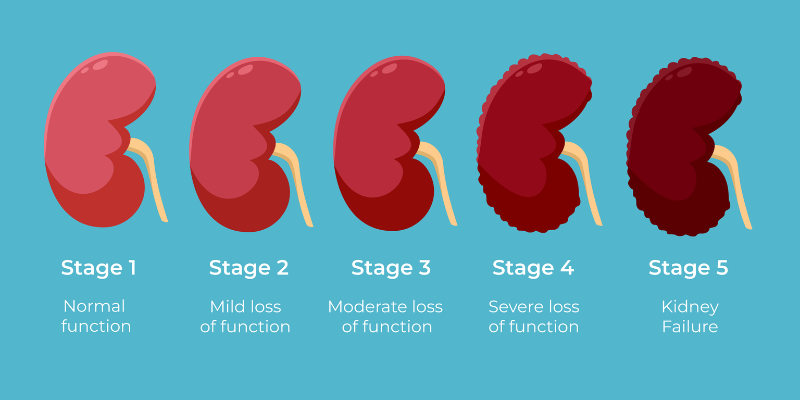
Chronic Kidney Disease (CKD) is a long-term condition where the kidneys slowly lose their ability to filter waste and excess fluids from the blood. If not managed early, CKD can lead to kidney failure, requiring dialysis or a kidney transplant.
Common symptoms include:
- Swelling in legs and face
- Fatigue and weakness
- Loss of appetite
- Nausea
- Decreased urine output
However, CKD often progresses silently, making early prevention extremely important.
Why Chronic Kidney Disease Is Increasing Today
To understand the surge in CKD cases, it’s essential to explore its root causes. The following factors play a major role:
Rise in Diabetes and High Blood Pressure (Primary Cause of CKD)
Diabetes and hypertension together cause nearly 70% of CKD cases worldwide. Rapid urbanization, increasing sugar consumption, and sedentary lifestyles are driving these conditions to record levels, directly impacting kidney health.
Unhealthy Modern Diets
Modern eating habits include:
- High-salt packaged foods
- Sugary beverages
- Excess protein consumption
- Spicy, fried, and oily foods
- Low water intake
These dietary patterns increase toxin load and strain the kidneys, leading to inflammation and reduced filtration capacity.
Stress, Anxiety & Sleep Disorders
Chronic stress and sleep deficiency disturb hormonal balance, increase blood pressure, and negatively affect metabolism — all of which weaken kidney function over time.
Excessive Use of Painkillers
Frequent intake of NSAIDs (like ibuprofen and diclofenac) is one of the silent contributors to kidney damage. Many people misuse painkillers for headaches, body pain, or fever, unknowingly harming their kidneys.
Environmental Pollution & Toxin Exposure
Increasing levels of pesticides, heavy metals, and water pollution raise the body’s toxin burden, forcing the kidneys to work harder, which eventually leads to deterioration.
Late Diagnosis and Lack of Awareness
Most people ignore early warnings like swelling, fatigue, or frequent urination. CKD is detected mostly in later stages, making treatment more challenging.
How Ayurveda Helps Manage Chronic Kidney Disease Naturally
Ayurveda, India’s ancient healing system, offers time-tested solutions for supporting kidney function. It focuses on balancing the three doshas (Vata, Pitta, Kapha), improving digestion, reducing inflammation, and strengthening urinary channels.
Below are the top Ayurvedic approaches for CKD management:
Ayurvedic Herbs That Support Kidney Health
Several herbs used in Ayurveda have proven diuretic, anti-inflammatory, and rejuvenating effects. These include:
- Punarnava (Boerhavia diffusa): Excellent for reducing swelling and improving urine output
- Gokshura (Tribulus terrestris): Strengthens urinary system and improves filtration
- Varun (Crataeva nurvala): Helps manage urinary obstruction and inflammation
- Kaasni (Cichorium intybus): Supports liver and kidney detoxification
- Palaash Pushpa: Helps regulate kidney functions naturally
These herbs are commonly included in Ayurvedic formulations like Punarnavadi Kashayam, Gokshuradi Guggulu, and Chandraprabha Vati.
Panchakarma Detox for Kidney Cleansing
Panchakarma helps remove deep-rooted toxins (ama) that burden kidney tissues. Therapies such as:
- Virechana (medicated purification)
- Basti (medicated enema)
- Abhyanga (oil massage)
help balance Vata dosha, reduce swelling, and improve kidney metabolism. Panchakarma must be performed by trained Ayurvedic physicians.
Kidney-Friendly Ayurvedic Diet (Pathya Ahara)
A supportive diet is essential for CKD management. Ayurveda recommends:
Foods to Include:
- Moong dal
- Bottlegourd (lauki), pumpkin, tori
- Apples, grapes, papaya
- Barley water
- Cumin–coriander–fennel tea
- Light, warm meals
Foods to Avoid:
- Excess salt and pickles
- Fried foods
- Red meat and heavy dairy
- Junk food and packaged snacks
- Fermented foods
- Overuse of lentils
A kidney-friendly diet reduces toxin accumulation and improves overall kidney function.

Yoga & Lifestyle Practices
Ayurveda emphasizes daily routines (Dinacharya) and seasonal routines (Ritucharya) for long-term health.
Beneficial practices include:
- Pranayama (deep breathing)
- Gentle yoga
- 7–8 hours of quality sleep
- Stress-reduction techniques like meditation
- Staying hydrated
These practices help regulate blood pressure, reduce stress, and support kidney healing.
Conclusion: A Holistic Approach Is the Key
The rising cases of Chronic Kidney Disease are a direct outcome of poor lifestyle habits, environmental toxins, and metabolic disorders. While modern medicine provides essential treatment, Ayurveda offers a comprehensive and natural approach to slow CKD progression by balancing doshas, detoxifying the body, and enhancing kidney vitality.
A combined approach of medical monitoring, Ayurvedic herbs, Panchakarma, and lifestyle correction can significantly improve kidney health and overall well-being.