
Autism in Kids: Causes, Symptoms & Ayurvedic Support Methods
Autism in kids is becoming increasingly recognized as more parents, teachers, and healthcare professionals understand developmental differences in children. Autism Spectrum Disorder (ASD) affects how children communicate, interact socially, behave, and process emotions. Every autistic child is unique, and symptoms can range from mild to severe.
Understanding the early symptoms of autism in kids can help families seek timely support and intervention. With proper therapies, structured routines, emotional care, and holistic wellness practices, autistic children can improve communication, social skills, and overall quality of life.
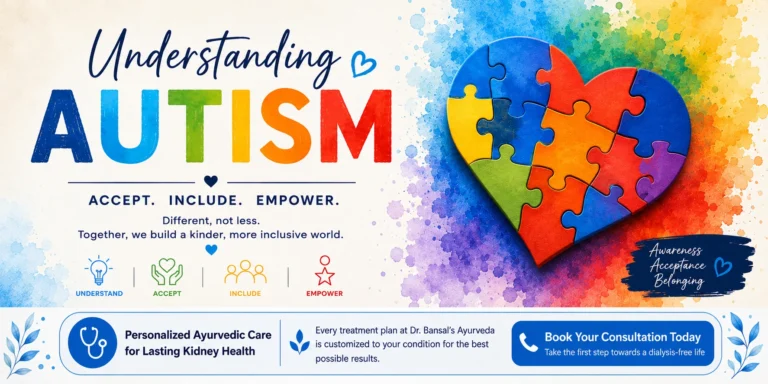
What is Autism in Kids?
Autism Spectrum Disorder is a neurodevelopmental condition that influences brain development and behavior. Children with autism may experience challenges with communication, emotional understanding, sensory processing, and social interaction. The word “spectrum” means autism affects every child differently. Some children may need daily assistance, while others can function independently with minimal support.
Autism should not be seen as a limitation. Many autistic children have unique strengths such as creativity, excellent memory, attention to detail, and strong problem-solving abilities.
What Causes Autism in Children?
Research suggests autism develops due to a combination of genetic and environmental factors. Some possible contributing factors include genetic influences, differences in brain structure, premature birth, environmental exposure, and advanced parental age. Scientific studies have confirmed that vaccines do not cause autism.
Early Symptoms of Autism in Kids
Recognizing the early symptoms of autism in kids is important for early intervention and better developmental progress.
Common signs include delayed speech, limited eye contact, repetitive speech or actions, preference for playing alone, strong attachment to routines, and sensitivity to sounds or textures. Parents noticing multiple signs should consult a pediatrician or developmental specialist for proper evaluation.
How to Identify Autism in Toddlers
Signs between ages 1–3 years may include delayed speech milestones, avoiding eye contact, repetitive play patterns, difficulty engaging in social games, and frequent meltdowns due to sensory overload. Early screening and intervention can significantly improve communication and social development.
Best Therapies for Autism in Children
The best therapies for autism in children focus on improving communication, behavior, emotional regulation, and independence.
Common therapies include speech therapy, occupational therapy, behavioral therapy, sensory integration therapy, social skills training, and play therapy. Therapy plans should always be personalized according to the child’s strengths and challenges.
Natural Ways to Support Autistic Children
Many families explore natural ways to support autistic children alongside professional therapies.
A balanced diet with fruits, vegetables, healthy fats, proteins, and whole grains may support brain and body health. Activities like yoga, swimming, cycling, dance, and outdoor play may improve focus, mood, sleep, and emotional regulation.
Creating calm surroundings with predictable routines, soft lighting, quiet spaces, and reduced noise can help reduce stress and sensory overload. Patience, reassurance, and positive encouragement help autistic children feel secure and confident.
Ayurvedic Treatment Support for Autism
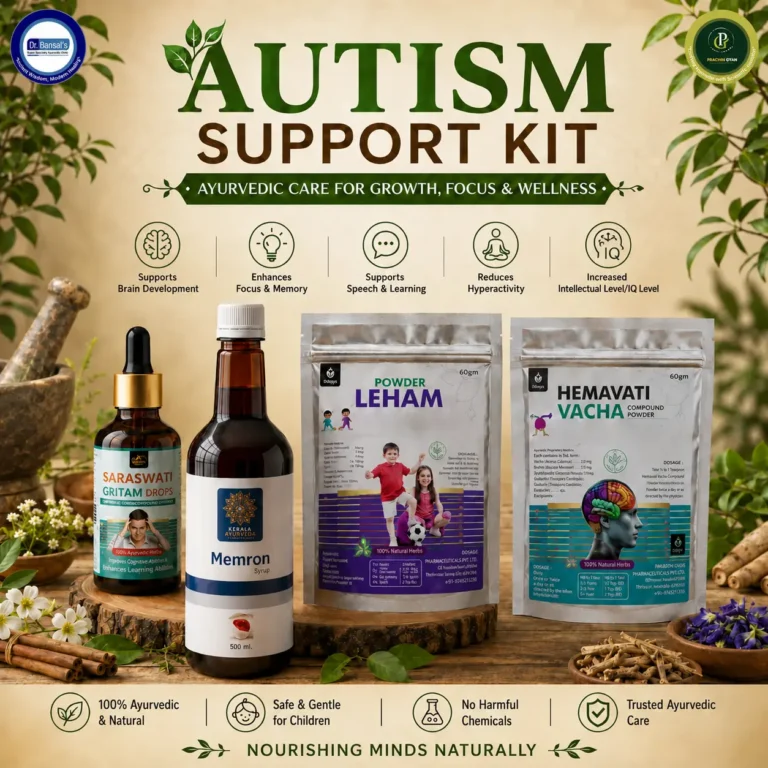
Many parents are also exploring Ayurvedic treatment support for autism as a complementary wellness approach. Ayurveda focuses on balancing the nervous system, digestion, emotional health, and overall well-being through natural lifestyle practices.
Ayurvedic support methods may include warm and nourishing dietary practices, Ayurvedic oil massage for relaxation, yoga and breathing exercises for emotional balance, regular daily routines for stability, and herbal support under professional supervision.
Parents should always consult qualified pediatricians and certified Ayurvedic practitioners before beginning any herbal or alternative treatment.
Parenting Tips for Autistic Children
Helpful parenting tips include maintaining predictable routines, using simple communication, celebrating small achievements, avoiding overstimulation, and encouraging social interaction gradually.
A strong support system involving therapists, teachers, and family members can make a significant difference in the child’s development and emotional well-being.
Conclusion
Autism in kids affects communication, behavior, and social interaction, but with proper care and early intervention, children can continue to grow and thrive. Combining therapies, emotional care, natural support methods, and complementary Ayurvedic wellness practices may help improve communication, emotional balance, and overall quality of life.