Blog
Fatty Liver Symptoms in Women: What You Need to Know
Fatty liver disease has become one of the most common lifestyle-related health concerns among women today. Sedentary habits, unhealthy eating patterns, stress, hormonal imbalances, obesity, and metabolic disorders have contributed significantly to its rising prevalence. Unfortunately, many women remain unaware of the condition because fatty liver symptoms often develop gradually and may not be noticeable in the early stages.
Understanding the warning signs and taking timely action can help prevent complications. Along with modern medical approaches, Ayurveda offers a holistic perspective on liver health and supports natural healing through lifestyle modifications, dietary changes, and herbal interventions.
What Is Fatty Liver Disease?
Fatty liver disease occurs when excess fat accumulates in the liver cells. There are two major types:
- Non-Alcoholic Fatty Liver Disease (NAFLD): Commonly associated with obesity, diabetes, high cholesterol, and poor dietary habits.
- Alcoholic Fatty Liver Disease (AFLD): Caused by excessive alcohol consumption.
Women, especially those with polycystic ovary syndrome (PCOS), insulin resistance, obesity, or post-menopausal hormonal changes, may be at a higher risk of developing fatty liver disease.
Common Fatty Liver Symptoms in Women
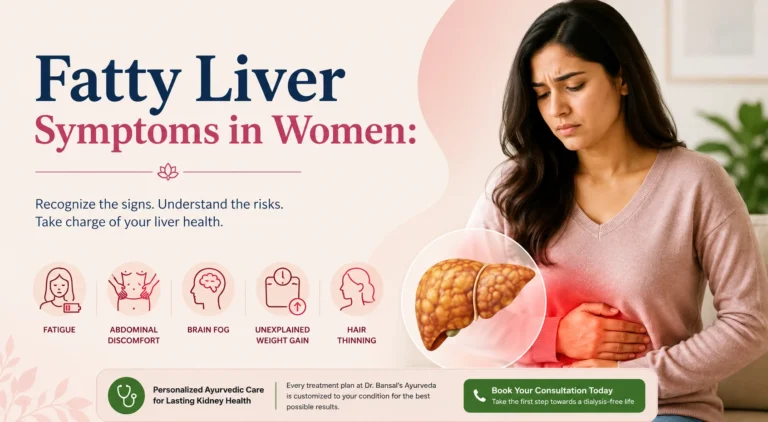
One of the biggest challenges in diagnosing fatty liver disease is that fatty liver symptoms can be mild or absent during the initial stages. However, as the condition progresses, women may experience the following symptoms:
Persistent Fatigue
Feeling tired despite adequate rest is one of the most frequently reported fatty liver symptoms. The liver plays a crucial role in energy metabolism, and impaired liver function can lead to chronic fatigue and weakness.
Abdominal Discomfort
Women with fatty liver disease may feel a dull ache or discomfort in the upper right side of the abdomen, where the liver is located. This sensation may become more noticeable after meals.
Unexplained Weight Changes
Some women experience difficulty losing weight despite following a healthy diet and exercise routine. Others may notice sudden weight gain, particularly around the abdomen.
Digestive Issues
Bloating, indigestion, nausea, loss of appetite, and constipation can be common fatty liver symptoms. Since the liver is closely linked to digestion, liver dysfunction may affect the body’s ability to process food efficiently.
Brain Fog and Difficulty Concentrating
Many women report reduced concentration, forgetfulness, and mental fatigue. These symptoms may be associated with impaired detoxification processes in the liver.
Dark Patches on the Skin
A condition known as acanthosis nigricans, characterized by dark, velvety patches around the neck or underarms, may indicate insulin resistance and increase the risk of fatty liver disease.
Hormonal Imbalances
Women may experience irregular menstrual cycles, worsening PCOS symptoms, or other hormonal disturbances alongside fatty liver disease.
Advanced Symptoms
In severe cases, fatty liver symptoms may include swelling in the legs, yellowing of the skin and eyes (jaundice), severe abdominal swelling, and easy bruising. These symptoms require immediate medical attention.
Why Women Should Not Ignore Fatty Liver Symptoms
Ignoring fatty liver symptoms can lead to progressive liver damage. Over time, simple fatty liver disease can advance to:
- Non-Alcoholic Steatohepatitis (NASH)
- Liver fibrosis
- Cirrhosis
- Liver failure
Early diagnosis through blood tests, liver function tests, ultrasound scans, and lifestyle assessment can significantly improve outcomes.
The Ayurvedic Perspective on Fatty Liver
According to Ayurveda, liver disorders are often associated with an imbalance of Pitta Dosha, along with the accumulation of toxins (Ama) in the body. The liver, known as Yakrit, plays a vital role in digestion, metabolism, and detoxification.
When unhealthy eating habits, excessive stress, processed foods, and sedentary lifestyles disturb the body’s natural balance, the liver’s functioning may become compromised, leading to conditions comparable to fatty liver disease.
An experienced Ayurveda expert evaluates the individual’s constitution (Prakriti), dosha imbalance, digestive strength (Agni), and overall health before recommending a personalized treatment plan.
Ayurvedic Approaches for Managing Fatty Liver
Dietary Modifications
Ayurveda emphasizes consuming fresh, easily digestible foods that support liver function. Women experiencing fatty liver symptoms are often advised to:
- Avoid fried and processed foods
- Reduce refined sugar intake
- Include fresh fruits and vegetables
- Drink adequate water
- Consume liver-friendly foods such as turmeric, bitter gourd, and leafy greens
Herbal Support
Several Ayurvedic herbs are traditionally used to support liver health, including:
- Bhumyamalaki (Phyllanthus niruri)
- Kutki (Picrorhiza kurroa)
- Kalmegh (Andrographis paniculata)
- Guduchi (Tinospora cordifolia)
- Turmeric (Curcuma longa)
These herbs should only be used under the guidance of a qualified Ayurveda expert.
Detoxification Therapies
Ayurvedic detoxification procedures such as Panchakarma may help eliminate accumulated toxins and restore balance. These therapies are highly individualized and should be performed under professional supervision.
Lifestyle and Stress Management
Yoga, meditation, pranayama, and regular
Conclusion
Recognizing fatty liver symptoms early is essential for protecting long-term liver health. Women should pay attention to signs such as fatigue, digestive disturbances, abdominal discomfort, and hormonal irregularities. While modern diagnostic tools help identify the condition, Ayurveda offers a holistic approach that focuses on restoring balance, improving digestion, supporting liver function, and promoting overall well-being.
If you are experiencing persistent fatty liver symptoms, consult both a healthcare professional and a qualified Ayurveda expert for a comprehensive evaluation and personalized treatment plan. Early intervention, healthy lifestyle choices, and proper guidance can make a significant difference in managing fatty liver disease and improving quality of life.